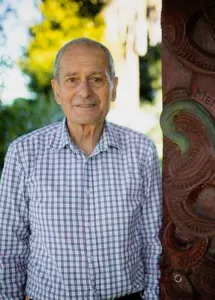
BPhty, MPhty
Katrina Pōtiki Bryant is a pioneering Māori physiotherapist, educator, and researcher whose career spans more than 30 years in Hauora Māori. As the founder and Principal Investigator of Taurite Tū—a nationally recognised kaupapa Māori falls prevention and wellness programme—she is redefining what ageing well looks like for Māori aged 50 and over.
A proud uri of Ōtākou, Katrina blends physiotherapy with mātauranga Māori to reconnect kaumātua with strength, confidence, and identity through culturally rich movement practices like waiata, tī rākau, and pūrākau.
From its roots at Ōtākou Marae, Taurite Tū now operates in 26 communities across Aotearoa, improving mobility, reducing falls, and enhancing spiritual and social wellbeing through whānau-centred approaches.
Katrina holds a Bachelor and Master of Physiotherapy and is Associate Dean Māori and Senior Lecturer at the University of Otago’s School of Physiotherapy. Her master’s research explored hauā Māori perspectives on disability and wellness in Murihiku, which continues to shape her culturally grounded, equity-focused mahi. She has published widely on indigenous rehabilitation and injury prevention.
A former national springboard diver, Katrina has always had a passion for movement and healing. Today, she leads kaupapa that honour kaumātua, including the Taurite Tū Games—a celebration of hauora, connection, and mana-enhancing ageing. Internationally, she represented Aotearoa at the World Physiotherapy Congress and co-led the Indigenous bid for the 2029 World Congress on Ageing, ensuring mātauranga Māori is at the centre of global discourse.
Katrina is a devoted mother, sister, and community leader. Her life and work are grounded in aroha ki te takata—deep care for people—and in the belief that kaupapa Māori models are not only transformative, but essential for collective wellbeing.
“Wellbeing is about standing strong—physically, spiritually, and culturally. Taurite Tū is not just movement, it’s a reconnection to whakapapa, to whānau, and to our future.”
Links:
Katrina Pōtiki Bryant Professional practice fellow and School of Physiotherapy kaiāwhina (Profile)
Unacceptable Behaviors Towards Health Professional Clinical Students: Protocol For a Mixed‐Methods Study Health Sci Rep. 2024 Nov 7;7(11) Article
Research Gate: Katrina Bryant (Profile)
Physical activity to prevent older adult falls: an Aotearoa New Zealand approach Article 2025
Kaumātua to gather for Taurite Tū Games 25 September 2024 ODT Article
2nd June 2025