FRNZCGP, HonFRACMA, MBChB, BHB, BA, Dip Tchg, Grad Cert Clinical Teaching
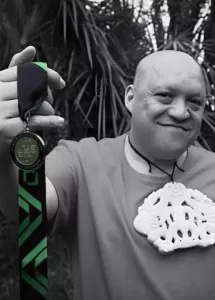
Dr Rawiri McKree Jansen's mahi in hauora Māori, at both grassroots and national levels, speaks volumes about his passion for improving equity within New Zealand's health system. He focuses on providing clinical leadership towards Māori health equity as a General Practitioner and was Chief Medical Officer for Te Aka Whai Ora (Māori Health Authority).
Formerly a resource teacher of the Māori language, Rawiri completed his medical training at Middlemore Hospital in South Auckland in 2000. For several years, he provided clinical teaching, Te Reo and tikanga Māori programmes for Māori health professionals throughout the country. Rawiri's expertise includes communication services for underserved and vulnerable populations.
As well as having medical training, Rawiri looks at factors outside of the medical centre that can contribute to better health for Māori, including housing, income, education and risk factors. For example, his work looks at how changes to equity in housing and overcrowding issues could significantly contribute to people's well-being.
Rawiri is passionate about community care, and his commitment to improving health equity for Māori is evident in his previous roles as Clinical Director for the National Hauora Coalition—a Primary Healthcare Organisation with 55 clinics serving 220,000 patients—as Clinical Director at South Auckland's Papakura Marae, and as Senior GP at Te Whare Hauora o Raungaiti in Waharoa.
Rawiri has worked on developing school-based health teams in South Auckland, aiming to eliminate rheumatic fever in New Zealand. In addition, he has been Chairman of Te Ataarangi Trust (a national Māori language organisation) and Chairperson of Te Ohu Rata o Aotearoa (Māori Medical Practitioners Association). He also self-published a Māori medical phrase book in 2006, (He Pukapuka Reo Hauora Māori).
Rawiri was most recently the Chief Medical Officer for Te Aka Whai Ora (now disestablished) which worked to lead and monitor transformational change for hauora, health and wellbeing needs of whānau. He was also the Māori co-leader of the National Māori pandemic group. He is also co-leader of Te Rōpū Whakakaupapa Urutā[MW1] , which consisted of some of the top Māori health experts in the country. The group has worked on delivering information and resources specifically for Māori about the COVID-19 pandemic, including the rollout of the vaccination programme.
Currently Rawiri is Chief Clinical Officer for the Tuwharetoa IMPB (Iwi Maori Partnership Board), co-lead for the National Diabetes Network Mahitahi Matehuka and continues to work as a General Practitioner at Tend clinics in Auckland.
Links:
Updated 3 December 2024